
Pricing Psychology Fundamentals
Before setting a number, understand the psychology behind why users accept certain prices for dating.
The perceived value problem: Dating sites sell outcomes, not features. Users don't care about 500 profile views - they care about finding a partner. This is why pricing is so sensitive in dating. Users are buying hope, not a product.
This shapes your pricing strategy: You need to convey value and confidence in outcomes, not just list features. For broader context on how pricing fits into your overall revenue model, see our guide on revenue models for dating sites.
Price anchoring: The first price users see sticks in their mind. If you show a 50 dollar price first, then reveal a 30 dollar option, the 30 dollar price feels cheap. This is why many sites show annual pricing first (higher absolute number) - it anchors perception upward.
The decoy effect: Three-tier pricing works because the middle tier becomes the natural choice. Users see the cheapest option and think "I'll miss things," the most expensive feels excessive, so they pick the middle. A common structure is Basic (29/month), Premium (49/month), Elite (79/month). Most users choose Premium because it feels balanced.
Subscription aversion: Some people are irrationally opposed to subscriptions and will pay more one-time than recurring. This is real. Offering a pay-per-message or pay-per-feature model alongside subscriptions captures this segment, though it's usually not worth the implementation complexity.
The power of 9s: Prices ending in 9 (29.99 instead of 30) feel significantly cheaper psychologically. This is well-established in pricing research. Dating sites universally use this, so you should too.
Current Market Pricing
Let's look at what successful dating platforms actually charge:
| Platform | Basic | Premium | Elite/VIP | Target Market |
|---|---|---|---|---|
| Bumble | Free | 9.99-19.99 | 24.99-39.99 | Mainstream, women-first |
| Hinge | Free | 12.99-19.99 | 32.99-54.99 | Serious relationships |
|---|---|---|---|---|
| Match | Free | 19.99-35.99 | 34.99-58.99 | 35+ demographic |
| eHarmony | Free trial | 9.95-41.95 | 19.95-64.95 | Serious, compatibility-focused |
| JDate | Free | 19.99-29.99 | 24.99-49.99 | Jewish singles |
| The League | Free | 29.99 | 74.99 | Selective, high-income |
| OkCupid | Free | 14.95-27.45 | 19.95-34.95 | Young adults, open-minded |
| Plenty of Fish | Free | 12.99-23.99 | N/A | Casual, budget-conscious |
| Elite Singles | Free trial | 9.95-29.95 | 39.95-79.95 | 30+ educated professionals |
| Christian Mingle | Free | 9.99-34.99 | 14.99-59.99 | Christian singles |
Key observations:
- Most platforms charge 19.99-39.99 for their primary tier
- Annual billing is typically discounted 30-50%
- Niche platforms (The League, JDate, Elite Singles) charge premium prices because their audience has higher income and more specific needs
- Mainstream platforms charge less because they're fighting for volume
- Premium tiers exist to capture impulse spending and avoid leaving money on the table
To see detailed pricing breakdowns across different international markets, check our guide on pricing by market.
Setting Your Tier Structure
A three-tier model works best for most dating platforms:
Tier 1 (Basic): 9.99-14.99 per month
- Access to unlimited messaging
- Basic profile features
- View who liked you
- Standard search filters
- 1-2 boosts per month
- Good for: Capturing price-sensitive users who want just enough to participate
Tier 2 (Premium): 24.99-34.99 per month
- Everything in Basic
- Advanced filters and search
- See who viewed your profile
- Unlimited boosts and priority boost
- Super likes or advanced features
- Read receipts for messages
- Ad-free experience
- Good for: Your target market, the middle-tier converters
Tier 3 (Elite/VIP): 49.99-79.99 per month
- Everything in Premium
- Concierge service or profile review
- Featured placement
- Priority customer support
- Video verification badges
- White-glove matching assistance (if applicable)
- Good for: High-income users willing to pay for premium experience and vanity features
The math on tiers: Assume you have 100,000 users with a 5% conversion rate to paid (5,000 paying users). If the breakdown is 50% Basic, 35% Premium, 15% Elite:
- 2,500 @ 12.49 = 31,225/month
- 1,750 @ 29.99 = 52,482/month
- 750 @ 64.99 = 48,742/month
- Total: 132,449/month
If you had one tier at 29.99 for everyone:
- 5,000 @ 29.99 = 149,950/month
The three-tier model generates slightly less revenue but feels more strategic and captures different customer segments. More importantly, it avoids leaving money on the table from high-income users willing to pay more.
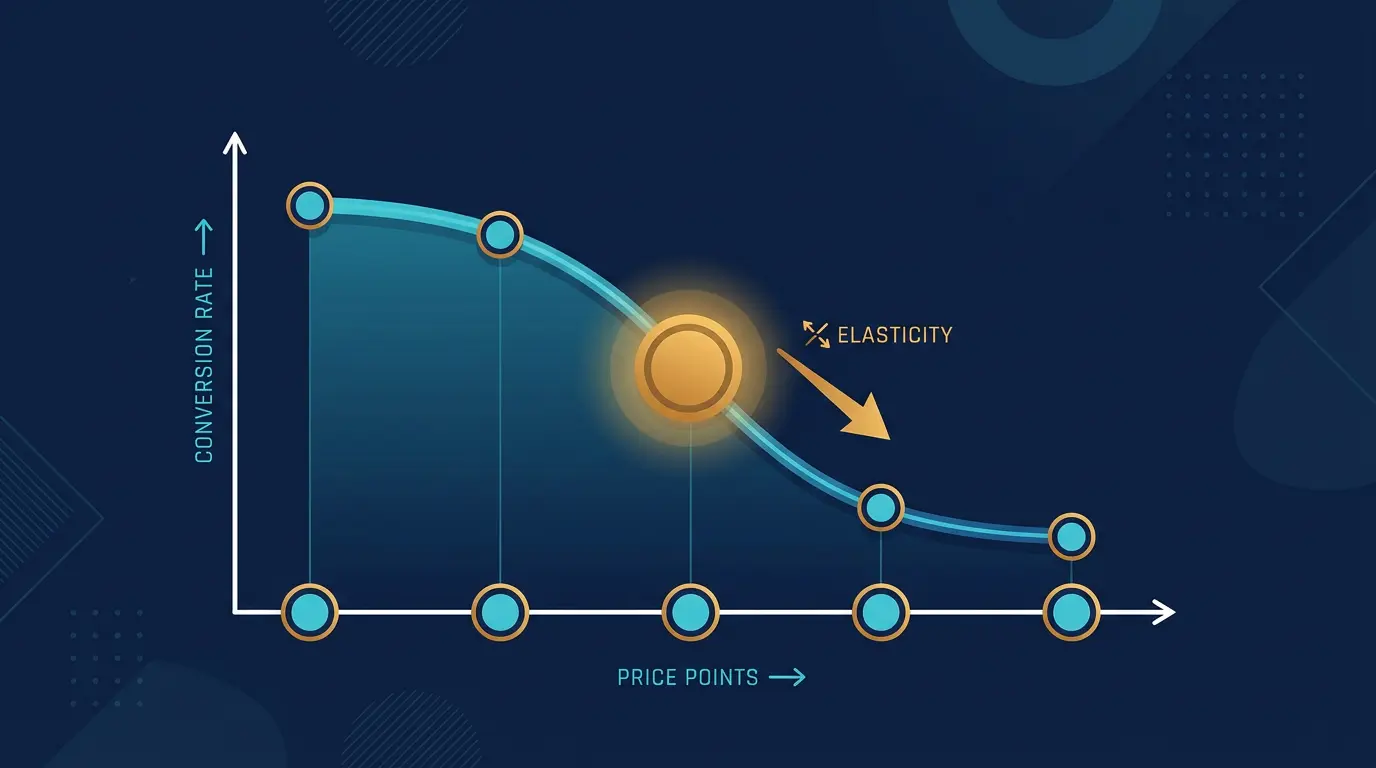
Regional Pricing Strategy
Geographic pricing is where smart dating platforms increase revenue 20-40% without cannibalising their high-value markets.
!Key concept for article 02 *Visual breakdown of dating site subscription pricing: how to set the right price*
The strategy:
- Price in USD for North America, GBP for UK/EU, AUD for Australia
- Adjust absolute prices by region based on purchasing power
Example pricing structure:
| Region | Basic | Premium | Elite |
|---|---|---|---|
| USA | 12.99 | 29.99 | 64.99 |
| Canada | CAD 18.99 | CAD 39.99 | CAD 84.99 |
| UK | 9.99 | 22.99 | 49.99 |
| Australia | AUD 19.99 | AUD 45.99 | AUD 99.99 |
| India | 399 INR | 799 INR | 1599 INR |
| Brazil | 39.99 BRL | 89.99 BRL | 199.99 BRL |
Why this works: A 30 dollar subscription is reasonable for a US user earning 50K-100K annually. That same 30 dollars is prohibitive for someone in India. By pricing at 3-5 dollars in India, you capture a user who would otherwise pay nothing. The profit margin is still there.
Implementation: Use geolocation APIs to detect user location and display regional pricing. Users expect this now - it's not controversial.
A/B Testing Your Prices
Price testing is the most impactful optimisation you can do. Small changes move the needle dramatically.
What to test:
- Absolute price (24.99 vs 29.99 vs 34.99)
- Discount percentages on annual plans (25% off vs 35% off vs 50% off)
- Trial period length (3 days vs 7 days vs 14 days)
- Trial positioning (free trial vs $1 trial vs pay-first)
- Tier comparison presentation (which tier is highlighted?)
Testing methodology:
- Segment your new users into random cohorts (50% test, 50% control)
- Show different pricing to each cohort
- Track conversion rate (free-to-paid), average revenue per user (), and customer lifetime value ()
- Run for minimum 2-4 weeks to account for weekly behavioural patterns
- Calculate statistical significance (need at least 100 conversions per cohort minimum)
Real example results: One dating platform tested 24.99 vs 29.99 vs 34.99 pricing:
- 24.99: 6.2% conversion rate, 24.99 ARPU
- 29.99: 5.1% conversion rate, 29.99 ARPU
- 34.99: 4.1% conversion rate, 34.99 ARPU
The 24.99 tier had the highest volume but 29.99 had the best ARPU. After calculating LTV over 6 months (accounting for retention rates), 29.99 won. They raised the price and revenue increased.
Testing annual discounts: Most platforms assume 40% discount on annual is optimal. One platform tested:
- 30% discount (annual cost 226 dollars)
- 40% discount (annual cost 216 dollars)
- 50% discount (annual cost 180 dollars)
The 40% discount won because it felt like a good deal without creating expectations of future deeper discounts. The 50% discount cannibalised monthly conversions too much.
Annual vs Monthly Plans
The split between monthly and annual varies by platform but typically looks like:
- 60-70% of paying users choose monthly
- 30-40% of paying users choose annual
Why users choose monthly: No commitment, try-it-out approach, budget constraints, credit card fears.
Why users choose annual: 40% cost savings feels significant, perceived commitment to finding a partner, they're all-in.
Revenue impact: If half your users are annual at 40% discount, your average revenue per user drops from 29.99 to about 24 dollars monthly. This is why platforms incentivise annual heavily - it locks in revenue and improves LTV metrics.
Optimal pricing structure for monthly: 29.99 Optimal pricing structure for annual: 215.94 (40% off = 215.94 for year, or 17.99/month when annualised)
This creates a natural funnel where monthly users pay a premium for flexibility, and annual users get their discount.
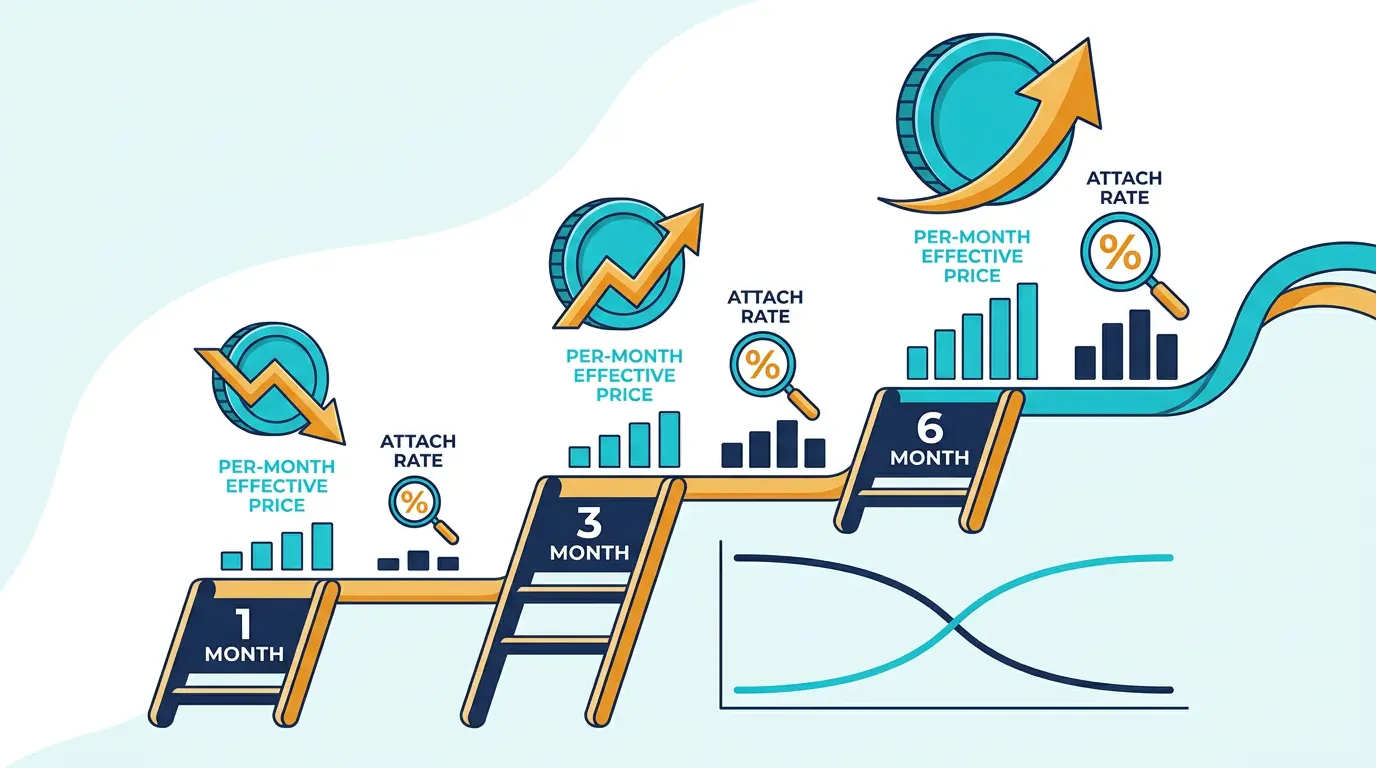
Free Trial Strategy
The free trial is your most important conversion lever. It dramatically improves paid conversion when structured correctly.
!Free Trial Strategy data breakdown for Dating Site Subscription Pricing *Detailed breakdown of the data presented above*
3-day trial: Good for platforms where users find matches quickly (casual apps). High conversion because users see results fast.
7-day trial: The sweet spot for most dating platforms. Long enough to encourage exploration, short enough that commitment anxiety doesn't set in. Typical conversion is 10-15% of trialists to paid.
14-day trial: Used by serious relationship platforms. Bumble, Hinge, and Match use this. Takes longer to find matches, so more time builds engagement. Conversion rates are 12-20%.
$1 trial (first month): Common for dating. Users commit a dollar, reducing friction. They're more likely to continue if they've already paid once. Conversion is typically 25-35% of people who start the $1 trial.
No trial: Some platforms require immediate payment. This works only if you have massive brand recognition (the dating site equivalent of Netflix). Most platforms can't do this.
Implementation tip: Make the trial cancellation easy. If people feel trapped, they'll or leave bad reviews. Simple cancellation increases trust and makes people more likely to pay after the trial ends.
Pricing Mistakes to Avoid
Mistake 1: Underpricing to "build user base" Never. This is a deadly mistake. Users equate price with quality. A 5 dollar subscription suggests a low-quality platform. You can't raise prices later without alienating your base. Price high from day one and offer trials to reduce friction.
Mistake 2: Assuming all markets want the same price You'll leave enormous money on the table. A user in San Francisco and a user in Mexico have vastly different ability to pay. Regional pricing isn't greedy - it's inclusive.
Mistake 3: Too many tiers Five tiers confuse users. Three is optimal. Four can work. More than four and you're optimising for your psychology, not users'.
Mistake 4: Not charging enough for premium tiers Elite tiers should feel exclusive and expensive. If it's only 10 dollars more than premium, high-income users won't feel like they're buying anything special. A 100% markup (Premium to Elite) feels right.
Mistake 5: Discounting too aggressively "50% off for first month" captures price-sensitive users who churn fast. Better to use 7-day free trials or $1 trial for one month. Discounting trains people to expect deals.
Mistake 6: Changing prices without testing Raising prices kills conversion. Lowering prices seems logical but often decreases total revenue. Always test price changes on small segments first.
Mistake 7: Hiding annual pricing If annual is your revenue play, feature it prominently. Many platforms hide annual under a toggle. This leaves money on the table. Hinge shows annual price first, which anchors perception upward.
Key Takeaways
- Price between 24.99-34.99 monthly for mainstream platforms, 39.99-64.99 for niche platforms.
- Use a three-tier structure to capture different customer segments and avoid leaving money on the table.
- Regional pricing increases revenue 20-40% without cannibalising wealthy markets.
- A/B test relentlessly - small price changes (5 dollars) impact conversion 15-25%.
- 7-day free trials or $1 first-month offers are conversion optimisers for dating specifically.
- Annual plans should offer 35-40% discounts and be positioned prominently to anchor perception upward.
- Never underprice to "build user base" - low prices signal low quality and can't be raised later.
- Price anchoring and the decoy effect are real - your tier pricing structure matters as much as absolute numbers.
- Ongoing price testing is critical - run 4-6 tests yearly to stay competitive and responsive to market changes.
!Dating Site Subscription Pricing key takeaways summary infographic *Quick reference guide for dating site subscription pricing: how to set the right price*
DatingPartners ships pricing tests and cohort repricing out of the box. Run the playbook.
Visit DatingPartners.com →