
The dating industry is a substantial industry, and that means it is a place where people build careers and businesses. This guide gives an overview of dating industry jobs, the talent market, and the operator path.
What this guide covers
This guide is an overview of jobs and the talent market in the dating industry, for anyone interested in the dating industry as a place to build a career or a business.
The dating industry, as the history and the company analyses across this pillar describe, is a substantial, established industry. Substantial industries are places of employment and enterprise: they have companies, those companies have functions, those functions have roles, and people build careers in them. The dating industry is no exception.
This guide covers two related but distinct things. The first is employment in the dating industry: the kinds of roles dating companies have, what those roles do, and what the talent market for them looks like. The second is the operator path: not being employed within a dating company but running a dating business oneself, which is its own kind of career in the industry and one the model has made far more accessible.
It is worth a measured note at the start. This guide gives a durable overview of the kinds of roles and the shape of the talent market. It does not, and cannot, give live detail of the current job market: which specific companies are hiring right now, what specific roles are open, what current pay levels are. That kind of detail is current and fast-changing, and anyone seeking it should consult current job-market sources. What this guide offers is the durable picture: the functions, the kinds of roles, the shape of the talent market, and the operator path, which change far more slowly and which genuinely help someone understand the industry as a place of work.
For an operator, or for anyone considering the dating industry, the starting point is to see the industry as a genuine place of careers and enterprise, with both an employment path and an operator path, both of which this guide describes.
The range of roles in the dating industry
A dating company, like any substantial company, has a range of functions, and an operator or anyone interested should have a sense of the breadth of roles the industry involves.
A dating company needs people in trust and safety: the substantial, serious function of keeping the platform and its members safe, which the trust-and-safety roles section develops and which the whole trust-and-safety pillar describes.
It needs people in product and engineering: the function of building and running the dating product itself, the technology the software pillar describes.
It needs people in marketing and growth: the function of bringing members to the service and growing it, the function the getting-started and monetisation pillars describe.
It needs people in data and analytics: the function of measuring the business and informing decisions with evidence, the function the analytics guidance describes.
It needs people in operations: the range of functions that keep the business running.
It needs people in commercial and business roles: the functions of running the business as a business, including finance, the commercial side, and the partnerships and relationships a dating company manages.
And it needs people in leadership: the roles that set strategy and run the company.
This range is not unusual; it is the range of functions any substantial company has. The point of setting it out is simply to make clear that the dating industry, being a substantial industry, offers the breadth of roles a substantial industry offers. Someone whose skills lie in any of these functions, safety, product, engineering, marketing, data, operations, commercial, leadership, can, in principle, apply those skills within the dating industry.
The following sections look more closely at a few of the functions most central or most distinctive to dating, before turning to the operator path and the talent market.
For an operator, the breadth of roles is worth knowing because it shows the dating industry to be a genuine, substantial place of varied employment, not a narrow or marginal one.
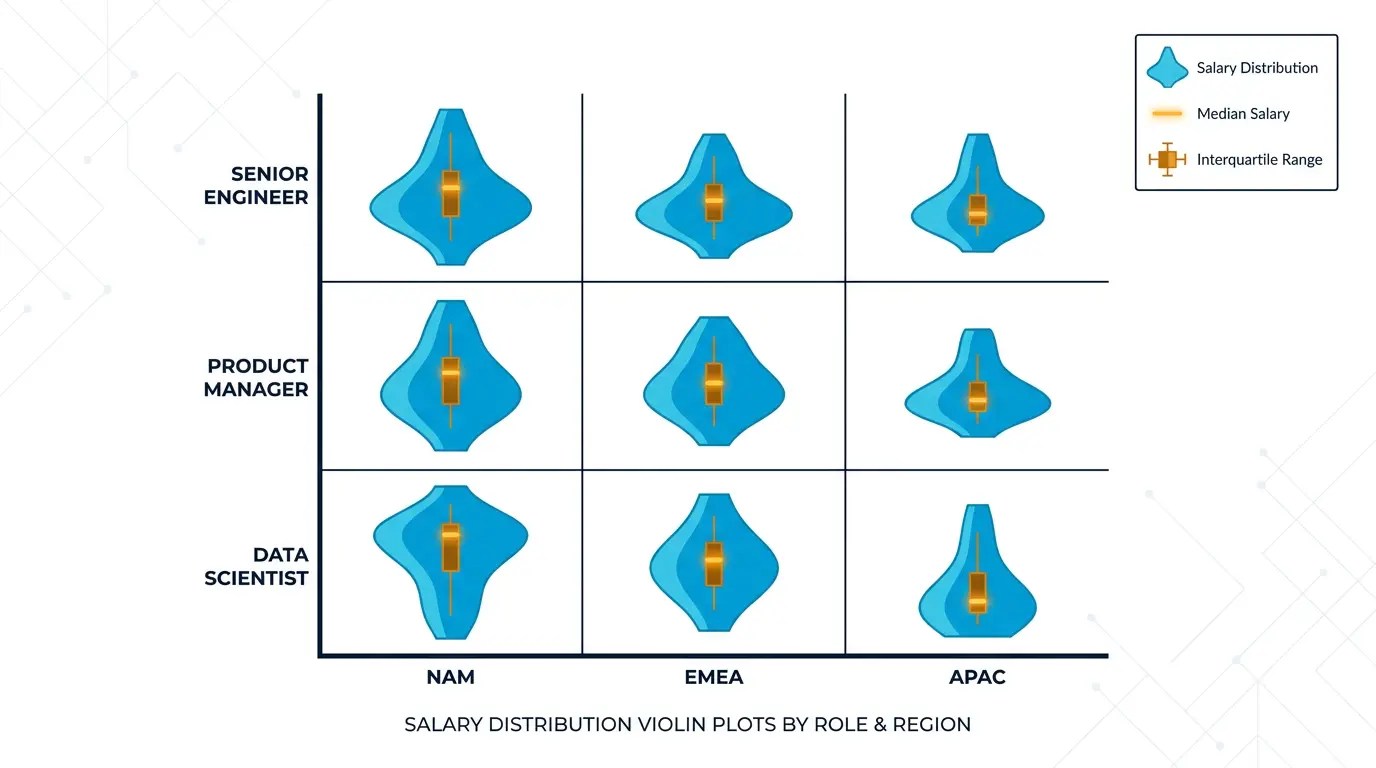
Trust and safety roles
Of all the functions in the dating industry, trust and safety deserves particular attention as an area of employment, because it is substantial, serious and distinctively important to dating.
The whole trust-and-safety pillar of this guidance describes how much trust and safety a dating platform requires: content moderation, the handling of harms from harassment to image-based abuse to stalking, verification, fraud and scam prevention, the tooling stack, the compliance, the whole serious operation. As the trust-and-safety tooling guidance stresses, behind the tooling is a human team, and that team is a genuine, substantial area of employment.
Trust and safety roles in dating span a range. There are the people who do the front-line work of moderation and of handling reports and cases. There are the people who run and manage trust and safety operations. There are roles connected to the tooling, the systems, and to policy, the rules and standards. There are roles connected to compliance, the legal and regulatory dimension the trust-and-safety pillar describes. And there is the leadership of the whole trust-and-safety function.
Trust and safety is also serious, demanding work. As the tooling guidance notes, it requires people trained in policy, in the relevant law, in handling serious and sometimes distressing material, and in making consistent, fair decisions. It is genuine, skilled, important work, work that genuinely protects people, and it should be understood as such, not as a minor or low-status function.
Trust and safety is, further, an area of growing importance. As the trust-and-safety pillar describes, online safety regulation has matured and the demands on platforms have grown, which makes the trust-and-safety function more central and more substantial over time, not less.
For an operator, trust and safety as an area of employment is worth understanding for two reasons. It is a major, serious part of the dating industry's workforce, important to know if one is interested in the industry. And it underlines, from the employment angle, just how substantial the trust-and-safety operation is, which is exactly why the white label model's provision of that whole operation, the trust-and-safety pillar describes, is so valuable to an operator.
Product and engineering roles
Product and engineering is the function that builds and runs the dating product itself, and it is a substantial area of employment in the dating industry.
The software pillar of this guidance describes the genuine engineering a dating platform involves: the matching, the real-time messaging, the database and its scale, the geolocation, the performance, the whole technical product. All of that is built and run by people, and product and engineering roles are the roles that do it.
These roles span the familiar range of a technology product function. There are engineering roles, the people who build and maintain the software, across the many parts of a dating platform the software pillar describes. There are product roles, the people who decide what the product should do and how it should work, the experience design the onboarding and other software guidance describes. There are roles in the data and technical infrastructure, and the leadership of the product and engineering function.
Product and engineering in dating is, in its general nature, similar to product and engineering in other consumer technology, the skills are substantially transferable, but it has dating-specific dimensions. As the software pillar describes, dating products have particular challenges, matching, real-time messaging at scale, the geospatial work, the trust-and-safety integration, and genuine understanding of the dating category and its particular problems is valuable on top of general product and engineering skill.
There is an important point here connecting to the white label model. The product and engineering of a dating platform is built and run by the provider, in the white label model. So the product and engineering roles in dating largely sit with the providers and the larger companies that build platforms, rather than with white label operators, who, as the operator-path and sections describe, do not build the platform themselves. This is part of the division of labour the white label model represents: the providers and large companies employ the product and engineering talent that builds the platforms; the operators run brands on top.
For an operator, product and engineering roles are worth understanding as a substantial part of the industry's employment, and as a reminder of the white label division: the heavy product and engineering function sits with providers, which is precisely the burden the white label model lifts from the operator.
Marketing and growth roles
Marketing and growth is the function of bringing members to a dating service and growing it, and it is a substantial and, for the operator path, especially relevant area of the dating industry's work.
The getting-started, monetisation and affiliates pillars of this guidance describe the breadth of marketing and growth work a dating business involves: acquisition across channels, the landing pages and conversion work, the analytics, the affiliate relationships, the whole effort of attracting and growing a member base.
Marketing and growth roles in dating span that breadth. There are roles in acquisition and the running of marketing channels. There are roles in the conversion and growth work, the funnel optimisation the analytics and conversion guidance describe. There are roles connected to content, to brand, to the affiliate side, to partnerships. There are data and analytics roles within the growth function. And there is the leadership of marketing and growth.
Marketing and growth in dating, like product and engineering, draws on substantially transferable general skill, the skills of digital marketing, growth, analytics, but is strengthened by genuine understanding of the dating category, its particular audiences, its particular channels and rules the advertising-compliance guidance describes, and its particular dynamics.
Marketing and growth is especially relevant to the operator path, because, as the operator-path section develops, marketing and growth is precisely the function the white label operator most directly owns and does. Where the operator does not build the platform, they very much do the marketing and growth of their branded site. So marketing and growth skill is, in a real sense, the core skill of the white label operator path.
For an operator, marketing and growth roles are worth understanding both as a substantial area of the industry's employment and, more directly, because marketing and growth is the heart of what an operator themselves does. The operator path, in large part, is a marketing and growth role, run as one's own business rather than as employment.
Data, operations and commercial roles
Beyond trust and safety, product and marketing, the dating industry, like any substantial industry, has a further range of roles in data, operations and the commercial and leadership functions, worth a brief overview.
Data and analytics roles run through the industry. As the analytics guidance describes, a dating business depends on measuring itself well and informing decisions with evidence, and there are roles dedicated to that, gathering, analysing and interpreting the data that the funnel, the health metrics and the rest of the analytics guidance describe. Data roles connect into the product, the growth and the commercial functions.
Operations roles cover the range of functions that keep a dating business running day to day, the operational work behind the visible product.
Commercial and business roles cover the running of the dating company as a business: the finance function the incorporation and tax guidance touches on, the commercial side, the partnerships and relationships, including, for a white label provider, the relationships with the operators on the platform, and the broader business management.
Leadership roles set the strategy and run the companies, the kind of roles that, across the industry, make the strategic decisions the company analyses in this pillar examine.
These functions are, in their general nature, much like the equivalent functions in any substantial industry, and the skills are substantially transferable. As with the other functions, genuine understanding of the dating category adds value on top of the general skill.
For an operator, this range of further roles completes the picture of the dating industry as a substantial place of varied employment, with the full range of functions a substantial industry has. And the commercial and leadership roles in particular connect to the operator path, because an operator running their own dating business is, in effect, performing the commercial and leadership function for their own enterprise.
The operator path
Distinct from employment within a dating company is the operator path: running a dating business oneself. This is its own kind of career in the dating industry, and the white label model has made it far more accessible.
The whole of this body of guidance is, in a sense, about the operator path: it is a guide for operators, people who run their own dating businesses. The operator is not employed by a dating company; the operator runs a dating business as their own enterprise.
What the operator path involves is, in essence, the operator-owned work the guidance describes throughout: choosing a niche, configuring and branding a dating service, doing the marketing and growth, handling the operator-owned compliance, running the business. The operator is, for their own enterprise, performing the commercial and leadership function, and doing the marketing and growth, while the platform, the product, the engineering, the trust-and-safety operation, is provided by the white label provider.
The operator path is a genuine career in the dating industry, but a different one from employment. It is enterprise rather than employment: the operator builds and runs their own business, takes the risk and the reward of it, and answers to no employer. For someone whose interest in the dating industry is entrepreneurial, who wants to run something of their own rather than work within a larger company, the operator path is the path.
The operator path is also far more accessible than building a dating business independently. As all the guidance describes, the white label model means an operator does not have to build the platform, the product, the trust-and-safety operation, the heavy and specialist functions. The provider does that. The operator does the niche, the brand, the marketing, the business. That division is what makes the operator path genuinely accessible to an individual or a small operation, which the white-label section develops.
For anyone interested in the dating industry, the operator path is worth understanding as a genuine alternative to employment: a way of building a career, and a business, in the dating industry as an entrepreneur, made accessible by the white label model.
The talent market and what employers value
For those interested in the employment path, it is worth understanding, in durable terms, what the dating industry's talent market values, while being measured about live specifics.
The dating industry's talent market, like any industry's, values genuine skill in the relevant function. An employer hiring for trust and safety values genuine trust-and-safety skill; an employer hiring for product, engineering, marketing, data or any other function values genuine skill in that function. The general professional skills of each function are the foundation.
On top of the general function skill, the dating industry's talent market tends to value genuine understanding of the dating category. As the function sections noted, the skills in most dating roles are substantially transferable from other industries, but dating has its particular dimensions, the particular safety challenges, the particular product problems, the particular audiences and channels, the particular dynamics the company analyses describe, and someone who genuinely understands the dating category, on top of their general function skill, brings something extra. Genuine category understanding is valued.
The talent market also values, as most do, the broader qualities of a good professional: judgement, the ability to work well, integrity, which in a dating context, with its trust-and-safety seriousness, genuinely matters.
It is worth being measured about the live state of the talent market. Which specific companies are hiring, for what, at what levels, in what locations, and how competitive the market is at any given moment, are current and fast-changing matters that someone seeking a dating-industry job should research through current sources. The durable point, which this guide can offer, is that the dating industry's talent market values genuine function skill plus genuine category understanding plus the broader qualities of a good professional.
For an operator, or for anyone considering the dating industry as an employer, the talent-market picture is durable and clear: bring genuine skill in a relevant function, add genuine understanding of the dating category, be a good professional, and follow current sources for the live state of who is hiring.
How white label changes the picture
The white label model significantly changes the dating industry employment and talent picture, and an operator should understand how, because it is what makes the operator path so accessible.
The change comes from the division of labour the white label model represents. In the white label model, the provider builds and runs the whole platform: the product and engineering, the trust-and-safety operation, the data infrastructure, the heavy and specialist functions. The operator runs the branded business on top: the niche, the brand, the marketing and growth, the operator-owned compliance, the commercial side.
This division has a striking implication for the operator path. Because the provider supplies all the heavy, specialist functions, the operator does not need to employ people to do them. The operator does not need a trust-and-safety team, because the provider's team does that. The operator does not need product and engineering staff, because the provider builds the platform. The operator does not need most of the functions a dating company has, because the provider provides them as part of the platform.
This means the white label operator path can be run by a very small operation, or even, in the model this guidance and the wider portfolio reflect, by a single operator with very few or no staff at all, a genuinely lean, even zero-staff, operating model. The operator's own work, the niche, the brand, the marketing, the business, the work the operator-path section described, can be done by an individual or a small team, precisely because the platform and all its heavy functions are provided.
This is a remarkable feature of the white label model from the employment-and-talent angle. It means the operator path is open to an individual entrepreneur in a way that running a dating business independently, which would require employing all those functions, never could be. The white label model effectively lets one person, or a small team, run a real dating business, because the model supplies, through the provider, the equivalent of all the functions a dating company would otherwise have to employ.
For an operator, the lesson is that the white label model changes the talent picture fundamentally for the operator path: it makes a real dating business runnable by a very small or even single-person operation, because the provider supplies all the heavy, specialist functions that would otherwise require a workforce. That is what makes the operator path the genuinely accessible entrepreneurial route into the dating industry that it is.
Common misconceptions
A few common misconceptions about dating industry jobs and the talent market are worth correcting.
The first misconception is that the dating industry is a narrow or marginal place of employment. It is not; it is a substantial industry with the full range of functions a substantial industry has, trust and safety, product, engineering, marketing, data, operations, commercial, leadership.
The second misconception is that trust and safety is a minor or low-status function. It is not; it is a substantial, serious, skilled and growing area of the industry's work, genuinely important and genuinely demanding.
The third misconception is that working in dating requires deep prior dating-industry experience. It does not; the skills in most dating roles are substantially transferable from other industries, with genuine category understanding valued as an addition rather than an absolute prerequisite.
The fourth misconception is that a career in dating means employment within a dating company. It can, but the operator path, running a dating business oneself, is an equally genuine career in the industry, an entrepreneurial rather than an employment path.
The fifth misconception is that running a dating business requires building a large team. The white label model means it does not: because the provider supplies all the heavy, specialist functions, the operator path can be run by a very small or even single-person operation.
For an operator, seeing past these misconceptions means seeing the dating industry accurately as a place of work: a substantial industry with varied, genuine roles, a serious trust-and-safety function, transferable skills, both an employment and an operator path, and an operator path made remarkably accessible by the white label model.
What to read next
For the heavy functions the provider supplies, read the software and trust-and-safety pillar guides. For the operator's own core work, see how to choose a dating niche and the getting-started pillar. For the lean operator model, read dating multi-brand portfolio strategy. And to understand the operator path in practice, DatingPartners.com can walk through the white label model.
Hayley Birkin advises operators on team build. Book a call via DatingIndustryExpert.com.
Visit DatingPartners.com →