
Dating industry events are a genuine part of the industry's life. This guide explains what they are, why they matter, and how an operator should approach them.
What dating industry events are
Dating industry conferences and events are gatherings where people who work in the dating industry come together, in person or otherwise, to learn, to connect and to do business.
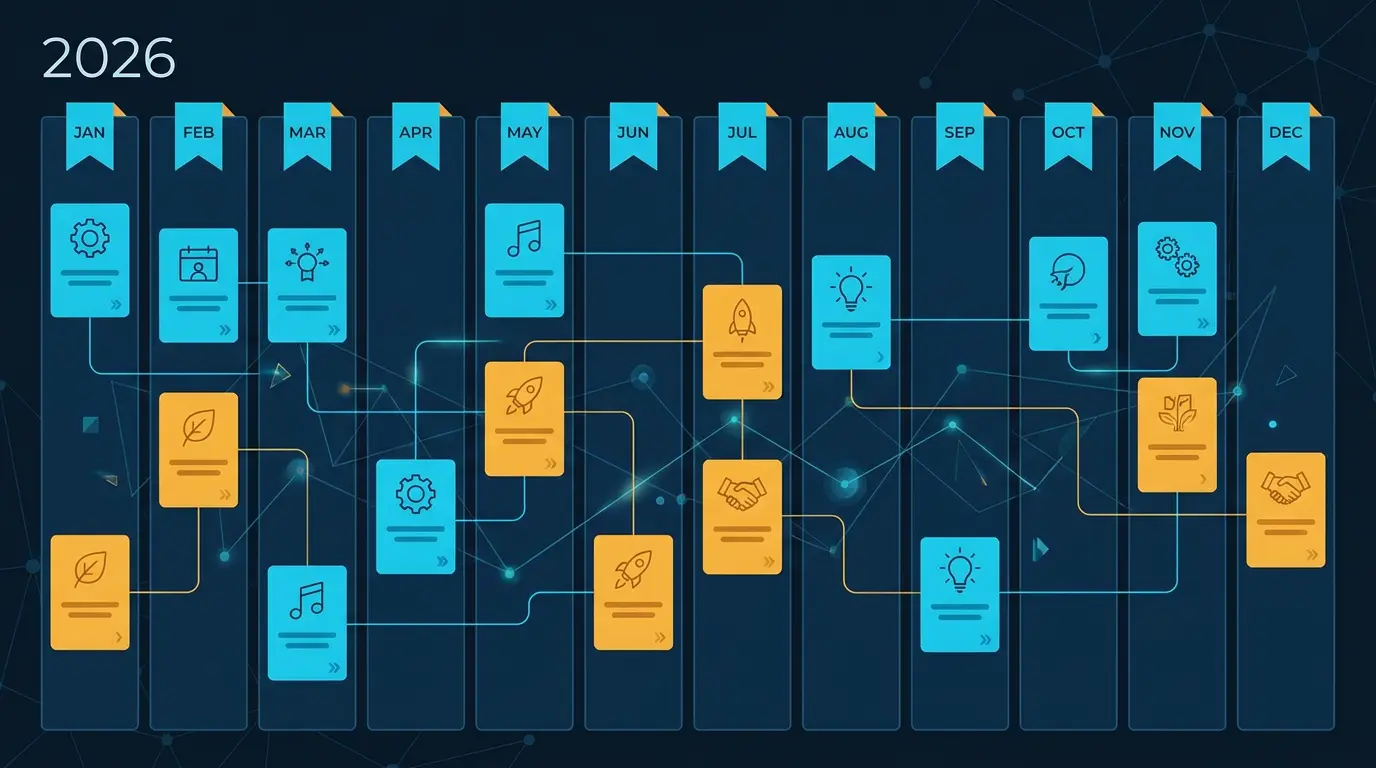
Like most substantial industries, dating has a calendar of such events. They take various forms, which the kinds section describes, but the common idea is a gathering of industry people: operators, providers, companies, affiliates, suppliers, experts and others who work in or around dating, brought together to share knowledge, build relationships and conduct the business of the industry.
These events are part of the normal life of the dating industry. An industry is not only its companies and its products; it is also a community of people and businesses, and that community has gathering points. The conferences and events are those gathering points: the places where the dating industry, as a community and a business ecosystem, comes together.
This guide is a durable overview of dating industry events: what they are, why they matter, the kinds of events, what value they offer, and how an operator should approach them. It is deliberately not a listing of specific current events with their dates. As the current-listings section explains, which specific events are running, when and where, in any given year is current, changing information that an operator should obtain from current sources. What this guide offers is the durable understanding of dating industry events as a category, which helps an operator make sense of whatever the current calendar happens to be.
For an operator, the starting point is to see dating industry events for what they are: the gathering points of the dating industry as a community and a business ecosystem, a normal and genuine part of the industry's life, and something an operator can choose to engage with.
Why events matter
Dating industry events matter for several genuine reasons, and an operator should understand them before deciding whether and how to engage.
The first reason is learning. Events are places where knowledge about the industry is shared: what is happening, what is changing, what is working, what the trends and the challenges are. The conferences in particular, the conference-and-content nature of which the kinds section describes, are organised around the sharing of knowledge. An operator who attends can learn things about the industry, its direction and its practices that are genuinely useful.
The second reason is relationships and networking. Events bring the people of the industry into the same place, which makes them places to build genuine relationships: with peers, with potential partners, with providers, with others across the industry. As the affiliate and provider guidance throughout this content describes, the dating business runs substantially on relationships, with providers, with partners, and genuine relationships are built through genuine contact. Events are a concentrated opportunity for that contact.
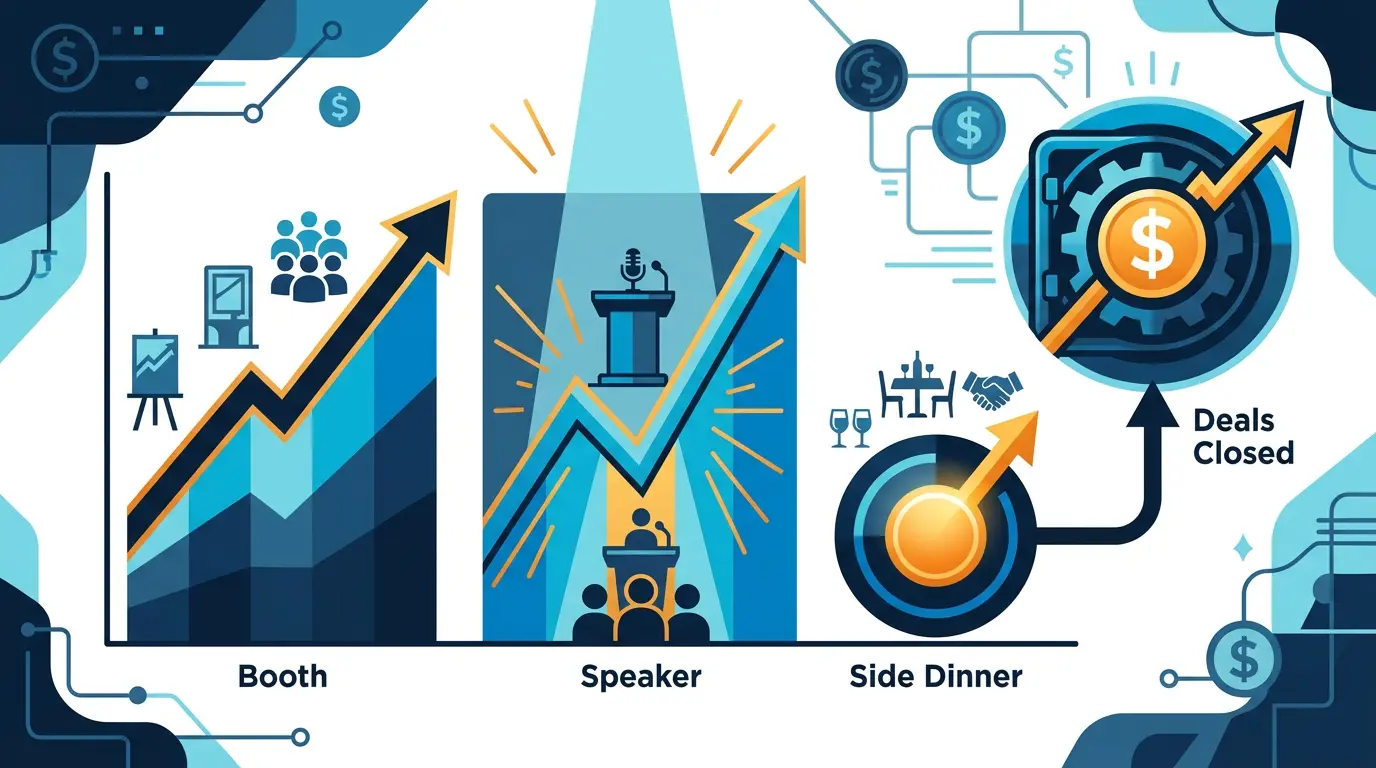
The third reason is doing business. Events are places where business gets done: where an operator might meet a potential provider, a potential partner, a potential supplier; where deals and relationships begin. The business of the industry is partly conducted at its gathering points.
The fourth reason is perspective. Being among the wider industry, hearing what others are doing and thinking, gaining a sense of the industry beyond one's own operation, gives an operator perspective that is hard to get while working alone on one's own business.
It is worth a measured note. None of this means events are essential to every operator, or that an operator who never attends an event cannot succeed; many do. The operator-and-events section addresses this balance. The point of this section is to set out the genuine value events can offer, learning, relationships, business, perspective, so that an operator can weigh that value sensibly.
For an operator, the lesson is that dating industry events matter because they offer genuine value, learning, relationship-building, business opportunity and perspective, and are worth understanding and considering, even though, as later sections discuss, the decision to engage should be a deliberate one.
The kinds of dating industry events
Dating industry events come in several kinds, and an operator should understand the range, because the kinds offer somewhat different value.
There are dedicated dating-industry conferences. These are events specifically about the dating industry, organised for dating-industry people, with content, speakers and sessions about dating, and an attendance drawn from across the dating industry. The dating industry has had, over its history, recognised recurring conferences of this kind, gathering points specifically for the industry. These dedicated events are the most concentrated form of dating industry gathering: everyone there is in dating, and everything there is about dating.
There are broader events relevant to dating. The dating industry overlaps with other fields, technology, mobile apps, digital marketing, the affiliate-marketing world the affiliates pillar describes, and there are broader conferences and events in those fields that are relevant to dating people even though they are not dating-specific. An operator focused on marketing might find value in a digital-marketing or affiliate event; an operator interested in the technology might find value in a relevant technology event.
There are events that are part of the wider industry's communication, connected to the industry's media and information ecosystem. The dating industry has its publications and information sources, the dating-industry-leaders guidance touches on the industry's media, and some of those run or are connected to events.
And there is the broader category of industry gatherings, networking events, smaller meetups, and other forms of people in the industry coming together, beyond the large set-piece conferences.
The kinds differ in their value. A dedicated dating-industry conference offers the most concentrated dating-specific learning and the most concentrated dating-industry networking. A broader relevant event offers exposure to a wider field and perhaps different perspectives, with a less dating-concentrated audience. An operator should understand the range so they can choose the kind of event that fits what they are looking for.
For an operator, the lesson is that dating industry events are not one thing: there are dedicated dating conferences, broader relevant events, media-connected events and other gatherings, and an operator should understand the range and choose the kind that fits their purpose.
What you can get from an event
It is worth being specific about what an operator can genuinely get from attending a dating industry event, because this is what makes the deliberate decision to attend, or not, an informed one.
An operator can get genuine learning. The content of a good event, the sessions, the speakers, the discussion, can teach an operator things about the industry, its direction, its practices, that are genuinely useful and hard to get otherwise. An operator should go in with a sense of what they want to learn.
An operator can get genuine relationships. An event is a concentrated opportunity to meet people: peers running their own dating businesses, potential partners, potential providers, people across the industry. Relationships begun at an event can become genuinely valuable over time. As the provider and affiliate guidance describe, the right relationships matter in the dating business.
An operator can get provider and partner contact specifically. For an operator who is, for example, considering a white label provider, or considering partners, an event where providers and partners are present is a place to make contact, to meet people behind the businesses, to begin the conversations that the choosing-a-provider guidance describes. Meeting a potential provider in person, at an event, can be a genuine part of assessing them.
An operator can get perspective and a sense of the industry. Simply being among the wider industry, immersed for a time in the dating-industry world, gives an operator a sense of the industry, its mood, its direction, its people, that informs their own thinking.
And an operator can get a degree of motivation and connection. Running a dating business, particularly on the lean operator model the jobs guidance describes, can be a somewhat solitary endeavour. Connecting with the wider industry at an event can be genuinely valuable simply for the sense of being part of a community.
For an operator, knowing specifically what can be gained, learning, relationships, provider and partner contact, perspective, connection, is what allows the decision to attend to be a deliberate, informed one rather than a vague one.
Who should attend
A fair guide should be honest about who genuinely benefits from dating industry events, because the honest answer is that it depends on the operator and their situation.
Events are most clearly valuable for an operator who has a specific purpose that an event serves. An operator who is actively looking for a white label provider or partners has a clear reason to attend an event where providers and partners gather. An operator who wants to learn about a specific aspect of the industry has a clear reason to attend an event whose content covers it. An operator who wants to build relationships in the industry has a clear reason to attend. When there is a specific purpose, events offer clear value.
Events are also valuable for an operator at a stage where the wider learning, perspective and connection genuinely help, for example an operator newer to the industry, building their understanding and their network, or an operator wanting to deepen their engagement with the industry.
Events are less essential for an operator whose situation does not currently call for them. An operator who is settled with a provider, focused on the operator's own work the guidance describes, the niche, the marketing, the business, and not currently needing to learn something an event offers or build relationships an event would serve, can run a successful dating business without attending events. As the why-they-matter section noted, events are genuinely valuable but not essential to every operator at every time.
The honest framing is that the decision to attend a dating industry event should be deliberate and purpose-led. An operator should ask: do I have a genuine purpose that this event would serve, learning I want, relationships I want to build, providers or partners I want to meet, perspective I want to gain. If yes, the event is likely worth the time and cost. If there is no genuine purpose, attending out of a vague sense that one should may not be the best use of the operator's limited time and resources.
For an operator, the guidance on who should attend is: attend deliberately, when there is a genuine purpose an event serves, and recognise that events are genuinely valuable when purpose-led but not a universal obligation.
How to get value from an event
For an operator who has decided, deliberately, to attend an event, it is worth knowing how to get genuine value from it, because attendance alone is not the same as value.
The first principle is to go with a purpose. As the previous section stressed, the decision to attend should be purpose-led, and the same purpose should guide the attendance. An operator who attends with a clear sense of what they want, the learning, the relationships, the provider contact, the perspective, gets far more than one who attends vaguely. Knowing the purpose lets the operator focus their time at the event on what serves it.
The second principle is to prepare. An operator who looks, in advance, at what the event offers, the content, who will be there, what is relevant to their purpose, and plans their time, gets more than one who arrives unprepared. If the purpose is meeting potential providers or partners, knowing in advance who will be there and planning to connect with them is far more effective than hoping to bump into them.
The third principle is to engage genuinely. The value of an event, particularly the relationship and networking value, comes from genuine engagement: genuinely meeting people, having genuine conversations, genuinely participating. An operator who attends but does not engage, who attends sessions passively and does not connect with people, gets a fraction of the available value.
The fourth principle is to follow up. The relationships and contacts begun at an event are only valuable if they are continued. An operator who meets useful people at an event and then follows up afterwards, continuing the conversations and the relationships, turns the event's contacts into genuine, lasting value. An operator who collects contacts and never follows up wastes them.
The fifth principle is to be measured about it. An operator should weigh the genuine value gained from an event against its genuine cost, the time, the money, the time away from the operator's own work, and use that honest assessment to inform whether and which events to attend in future.
For an operator, the guidance on getting value is: go with a clear purpose, prepare, engage genuinely, follow up afterwards, and assess the value against the cost honestly. An event attended that way delivers genuine value; an event attended passively does not.
The operator and events
It is worth drawing together, specifically, how an operator on the white label model should think about dating industry events, because the operator's situation shapes the answer.
The white label operator's situation, as the jobs guidance describes, is often a lean one: an individual or small operation, focused on the operator's own work, the niche, the marketing, the business, with the provider supplying the platform and its heavy functions. This shapes how the operator should approach events.
It means events are genuinely optional for the operator. Because the operator's success depends primarily on doing the operator's own job well, the niche choice, the marketing, the conversion, the business, an operator can build a successful dating business with little or no event attendance, if their situation does not call for it. An operator should not feel that not attending events is a failure.
It also means events can be genuinely valuable to the operator at the right moments. The clearest is provider and partner contact: an operator choosing or reviewing a white label provider, or considering partners, can find genuine value in events where those parties gather, as a part of the assessment the choosing-a-provider guidance describes. Learning about the industry, gaining perspective, and connecting with peers, which can counter the solitary nature of the lean operator model, are also genuine values at the right times.
And it means the operator should apply the deliberate, purpose-led, value-against-cost approach this guide describes. The operator's time and resources are limited, the lean model makes that especially true, so the operator should attend events deliberately, when there is a genuine purpose, prepared, engaging and following up, and should weigh the value honestly against the cost.
For an operator, the summary is balanced: dating industry events are genuinely valuable at the right moments and for the right purposes, particularly for provider and partner contact, learning and perspective, but they are optional rather than essential for the white label operator, and they should be approached deliberately, purpose-led, and with the value weighed honestly against the cost.
A note on current listings
This guide has deliberately not listed specific dating industry events with their dates, and it is worth explaining why and what an operator should do for that current information.
The reason is that specific event listings are current, changing information. Which conferences and events are running in a given year, when and where they take place, what each year's programme is, all of this is current detail that changes year to year. A guide that listed specific events with dates would be out of date quickly, and an operator relying on it could be misled.
What this guide has offered instead is the durable understanding: what dating industry events are, why they matter, the kinds of events, what value they offer, and how an operator should approach them. That understanding does not go out of date, and it is what genuinely equips an operator to make sense of, and make good decisions about, whatever the current calendar of events happens to be.
For the current listings, the specific events running now, their dates, their programmes, an operator should consult current sources. The dating industry's media and information ecosystem, the publications and information sources the dating-industry-leaders guidance touches on, is where current event information is found and kept up to date. An operator who wants to attend an event should look to those current sources for what is on, and then apply the deliberate, purpose-led approach this guide describes to decide whether and how to attend.
This combination, the durable understanding from this guide and the current listings from current sources, is how an operator should approach dating industry events: understand the category and how to engage with it well from here, and obtain the live detail from sources that keep it current.
For an operator, the note is simply this: this guide gives the durable understanding of dating industry events; for the current calendar of specific events and their dates, consult current industry sources, and then apply this guide's deliberate, purpose-led approach.
Common misconceptions
A few common misconceptions about dating industry events are worth correcting.
The first misconception is that attending events is essential to succeeding in the dating industry. It is not; events are genuinely valuable at the right moments but optional, and an operator can build a successful dating business with little or no event attendance.
The second misconception is the opposite, that events are a waste of time. They are not; for the right operator with a genuine purpose, events offer genuine value, learning, relationships, provider and partner contact, perspective.
The third misconception is that attendance alone delivers value. It does not; value comes from attending deliberately, with a purpose, prepared, engaging genuinely, and following up. An event attended passively delivers little.
The fourth misconception is that all dating industry events are the same. They are not; there are dedicated dating conferences, broader relevant events, media-connected events and other gatherings, offering somewhat different value, and an operator should choose the kind that fits their purpose.
The fifth misconception is that a guide can provide the current event calendar. It cannot reliably; specific listings are current, changing information for current sources, while a guide provides the durable understanding of how to approach events.
For an operator, seeing past these misconceptions means seeing dating industry events accurately: genuinely valuable but optional, valuable only when engaged with deliberately, varied in kind, and best approached with durable understanding plus current listings from current sources.
What to read next
For choosing a provider that events can help you meet, read how to choose a white label dating provider. For the industry's people and media, see dating industry leaders to follow. For the wider industry picture, read dating industry history: from personals to AI. And to begin a provider conversation directly, DatingPartners.com can walk through the white label model.