
When people ask me what a dating site costs, they usually expect one number. There is no one number, because the answer depends entirely on the build path and how much you spend acquiring members. What I can give you is an honest, itemised breakdown so you can build your own figure. I have launched dating sites at almost every budget level over 21 years, and the breakdown below reflects real spend, not optimistic estimates.
The cost categories that matter
Every dating site launch has the same six cost categories, regardless of size. They are the platform, the domain and branding, legal and compliance, marketing, payment processing, and moderation. What changes between a £3,000 launch and a £300,000 launch is not the list, it is the size of two lines in particular: the platform and the marketing.
The single most useful thing to understand before you read the numbers is that startup cost and running cost are different problems. A launch keeps your fixed costs close to zero, because the provider carries the technology, the servers, and the moderation team. A custom build front loads enormous cost and then carries a heavy monthly burn. Hold that distinction in mind as you plan.
Three budget tiers
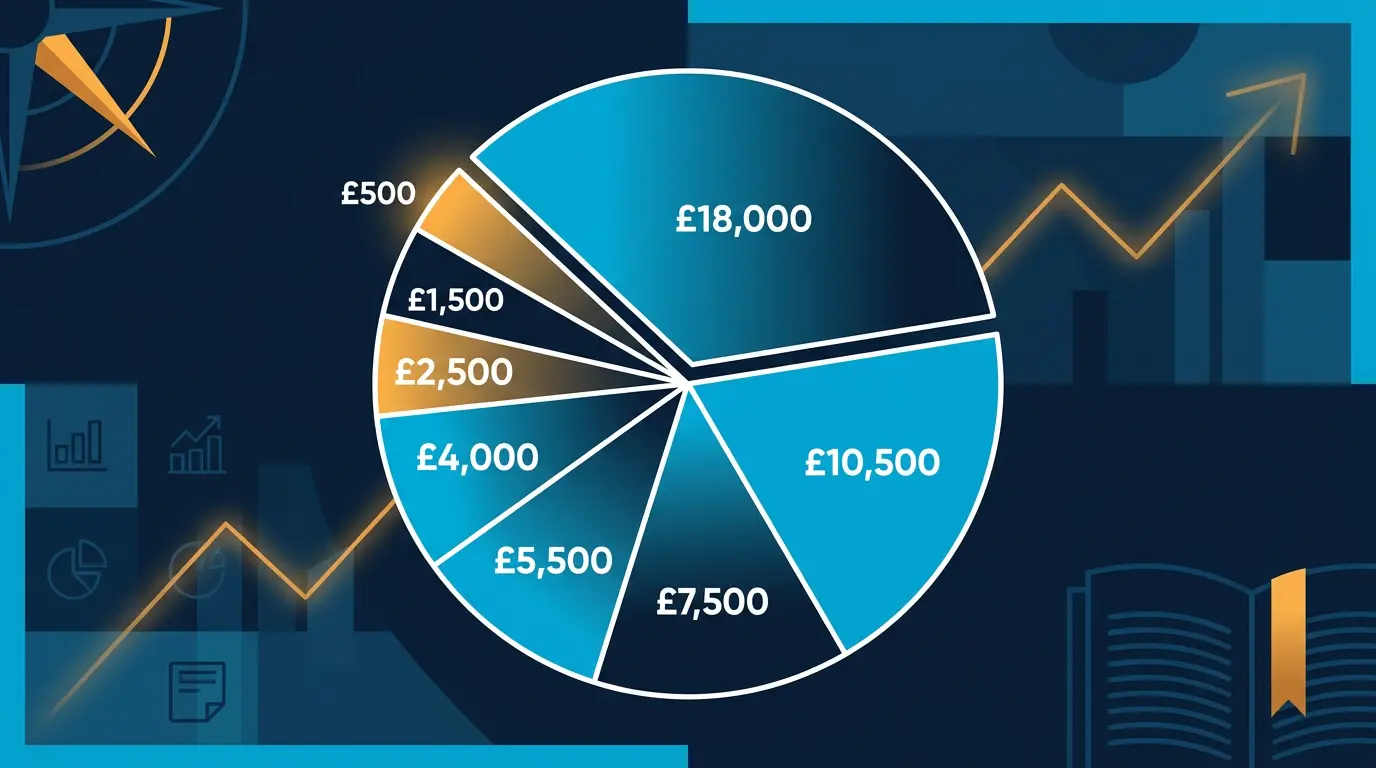
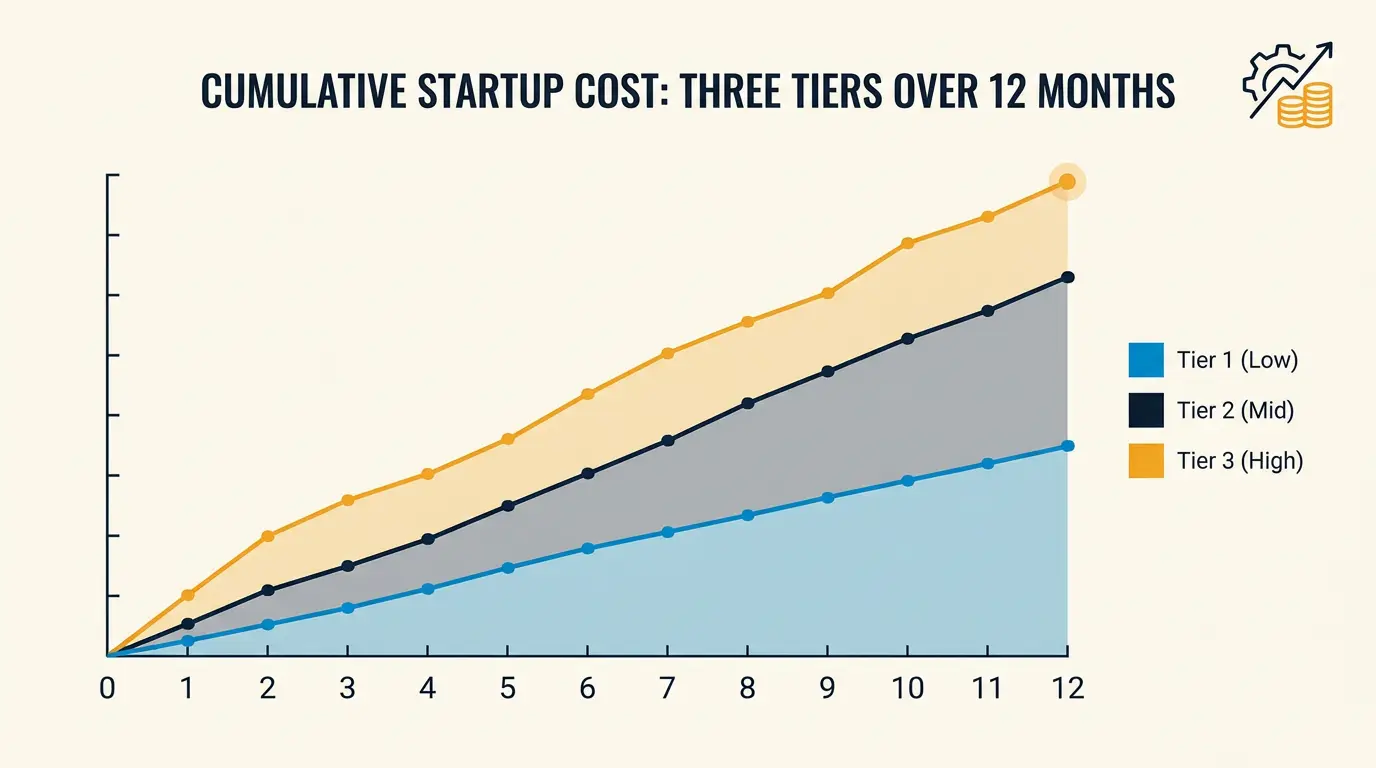
Here is what a realistic launch looks like at three levels. These figures cover getting to live with a credible site, not a year of operations.
| Cost line | Bootstrapped | Funded | Venture / custom |
|---|---|---|---|
| Platform | £0 to £2,000 | £2,000 to £8,000 | £150,000 to £1,000,000 plus |
| Domain and branding | £100 to £600 | £600 to £4,000 | £4,000 to £25,000 |
| Legal and compliance | £100 to £500 | £1,000 to £5,000 | £15,000 to £60,000 |
| Initial marketing | £1,000 to £5,000 | £10,000 to £40,000 | £50,000 plus |
| Contingency | £300 to £1,000 | £2,000 to £6,000 | £20,000 plus |
| Typical total to launch | £2,000 to £10,000 | £15,000 to £60,000 | £300,000 plus |
Most first time operators should plan for the bootstrapped or funded tier. The venture tier only makes sense if you are building proprietary technology and have raised money to do it. The vast majority of profitable niche dating sites I have seen were launched in the first two columns.
Platform costs
On a white label platform, the technology often costs nothing upfront. The standard commercial model is revenue share, where the provider takes 30 to 40 percent of member revenue and the operator keeps 60 to 70 percent, with no setup fee. Some providers charge a modest setup or theming fee in the low thousands. Either way, you are not paying for servers, code, or maintenance.
A no code or open source build sits in the middle, costing a few thousand pounds to stand up plus your own time. A fully custom platform is the outlier, starting around £150,000 and running well past £1,000,000 for anything ambitious, and then carrying a development and infrastructure team as a permanent monthly cost. For a first launch, the white label revenue share model is almost always the most sensible use of capital, because it converts a large fixed cost into a variable one you only pay when you earn.
Domain and branding
A domain registration is £10 to £40 a year for a standard name, more if you buy an aftermarket domain that someone already owns. Branding is where the range opens up. At the bootstrapped level you might spend £100 to £600 on a logo and a simple visual identity from a freelance designer or a quality template. At the funded level, £600 to £4,000 buys a proper brand identity, custom design work on the key pages, and original photography or licensed imagery.
Do not skimp entirely here. The audience cannot see your platform, but they can see your brand, and a cheap looking site converts worse and retains worse. At the same time, you do not need a five figure brand exercise to launch. Spend enough to look credible and trustworthy, then reinvest in brand once revenue is flowing.
Legal and compliance
Incorporating a company is cheap, often under £100. The variable cost is everything that follows. You will need a privacy policy and terms of service that genuinely fit a dating business, data protection registration where required, and a compliance approach for online safety regulation in the markets you serve.
At the bootstrapped level you can use carefully adapted templates and keep this line under £500. At the funded level, £1,000 to £5,000 buys proper legal review, which is sensible once real money is moving. A custom build that processes data directly carries far higher compliance cost, because you are responsible for the full stack rather than inheriting a provider's posture. One genuine advantage of white label is that a good provider has already built and maintained much of this compliance, and you benefit from it.
Marketing, the biggest variable
This is the line that decides your total budget. The platform is solved and cheap. Acquisition is neither. A dating site with no members has no product, so you have to pay, in money or in time, to bring the first audience in.
If you go the content and search route, your cost is mostly time plus modest spend on content production, and results build slowly over months. If you go the paid route, you are spending real money from day one, and £10,000 to £40,000 is a normal first campaign budget for a funded launch. Either way, treat marketing as the main event of your budget, not an afterthought. The operators who fail almost always underfunded acquisition or had no plan for it at all.
It helps to know the rough shape of the two routes. Paid acquisition gives you speed and control, but every member carries a hard cash cost, often £20 to £60 per paying member depending on niche and channel, and that cost continues for as long as you run ads. Content and search are slower, with little visible return for the first three to six months, but the cost per member falls over time as the content compounds and keeps attracting visitors without further spend. Most operators who reach a stable, profitable site end up using both: paid traffic to get moving, and content to bring the blended cost down. Budget for whichever you lead with, and be honest that the cheap looking route, content, is cheap in money but expensive in months.
Ongoing monthly costs
Launch cost is only half the picture. Plan your monthly running costs too. On white label, the running costs are refreshingly low: your domain renewal, your marketing spend, any tools you use, and your own time. The provider's revenue share is not a cost in the usual sense, because you only pay it on revenue you have earned.
A custom build is the opposite. Once live, it carries hosting, infrastructure, a development team, a moderation team, payment and compliance staff, and tooling, which together can run to tens of thousands of pounds a month before you have earned anything. This is the real reason white label dominates the niche end of the market. It keeps the monthly burn near zero so you can survive the slow early months.
A worked example: a £6,000 launch
Numbers in ranges are useful, but a single itemised example is clearer. Here is what a realistic bootstrapped launch looks like for a niche dating site on white label infrastructure, taking the site to live plus the first three months of operation.
| Cost line | Spend | Notes |
|---|---|---|
| White label platform setup | £0 | Revenue share model, no setup fee |
| Domain, .com for two years | £60 | Standard registration |
| Logo and visual identity | £450 | Freelance designer |
| Homepage and signup page polish | £600 | Freelance design on top of the platform theme |
| Company incorporation | £80 | UK private limited company |
| Privacy policy and terms review | £400 | Adapted templates plus a focused legal check |
| Licensed imagery | £150 | Compliant stock photos |
| Pre-build validation test | £400 | Landing page paid traffic |
| Launch marketing, first three months | £3,000 | One channel, paid social |
| Tools and email, three months | £150 | Page builder and email tool |
| Contingency, around 12 percent | £700 | For the costs that always run over |
| Total | £5,990 | To live, plus three months running |
This is real but tight. Notice that marketing is more than half the budget, which is correct, because acquisition is the actual business. The platform, the thing most people assume is the big cost, is the cheapest line on the list. Beyond month three you would extend the marketing line as revenue allows. A founder with more capital would simply lengthen the marketing runway and spend a little more on brand, which is exactly what the funded tier in the table above represents.
How to keep startup costs down
There are sensible ways to spend less, and there are false economies that cost more later. Know the difference.
The genuine savings come first. Choose a white label provider on a revenue share model with no upfront platform fee, so you convert a large fixed cost into a variable one. Validate the niche before building, so you never spend money launching into a market that was not there. Use the platform's own theme editor well rather than commissioning bespoke design for every page. Adapt high quality legal templates and then pay for a focused review, rather than commissioning bespoke drafting from scratch. Pick one marketing channel for the first ninety days instead of funding five at once. And launch on the web before building an app, because the app is the most expensive path to the same validation.
Now the false economies, the things you should not cut. Do not cut moderation, because a site that is unsafe loses members and attracts regulatory attention. Do not cut the validation test, because skipping it risks the entire budget. Do not cut the brand so far that the site looks untrustworthy, because in dating, trust is the product. And once real money is moving, do not skip the legal review. Each of these saves a few hundred pounds now and can cost thousands, or the whole business, later.
Hidden costs operators miss
Three costs catch new operators out. The first is moderation. If you build independently, moderation is a 24 hour operation and it is expensive to run properly. On white label it is included, which is one of the model's strongest arguments. The second is chargebacks. Dating is a high category, and depending on your contract you may absorb some or all of that loss, so read the terms and budget for it.
The third is the cost of your own time, which founders routinely value at zero and should not. The months you spend on content, moderation, and member support are real cost. Counting them honestly tells you whether the business is genuinely working or quietly subsidised by unpaid labour. Build a small contingency line of 10 to 15 percent into every budget, because something always costs more than the plan said.
What to read next
For the full launch process, read how to start a dating site. To test the idea before spending anything, see how to validate a dating site idea. To turn these numbers into a fundable plan, use the dating site business plan template. And for a clear picture of revenue share terms with no setup fee, DatingPartners.com will walk you through the commercial model.
DatingPartners fits the Tier 1 budget with full Tier 2 capabilities — no setup fees, monthly pricing scaled to your revenue. See pricing.
Visit DatingPartners.com →