
Trust and safety is often discussed as a set of policies. Underneath the policies sits a set of tools, and the quality of those tools largely determines whether the policies are real. This guide explains the tooling stack a dating platform needs, in operator terms.
What the tooling stack is
When people talk about a dating platform's trust and safety, they usually talk about policies: the rules against harassment, the ban on fake profiles, the image-abuse policy. Policies matter, but a policy is only a statement of intent. What makes a policy real is the set of tools that detect violations, the systems that route them, and the people who act on them. That set of tools is the trust and safety tooling stack.
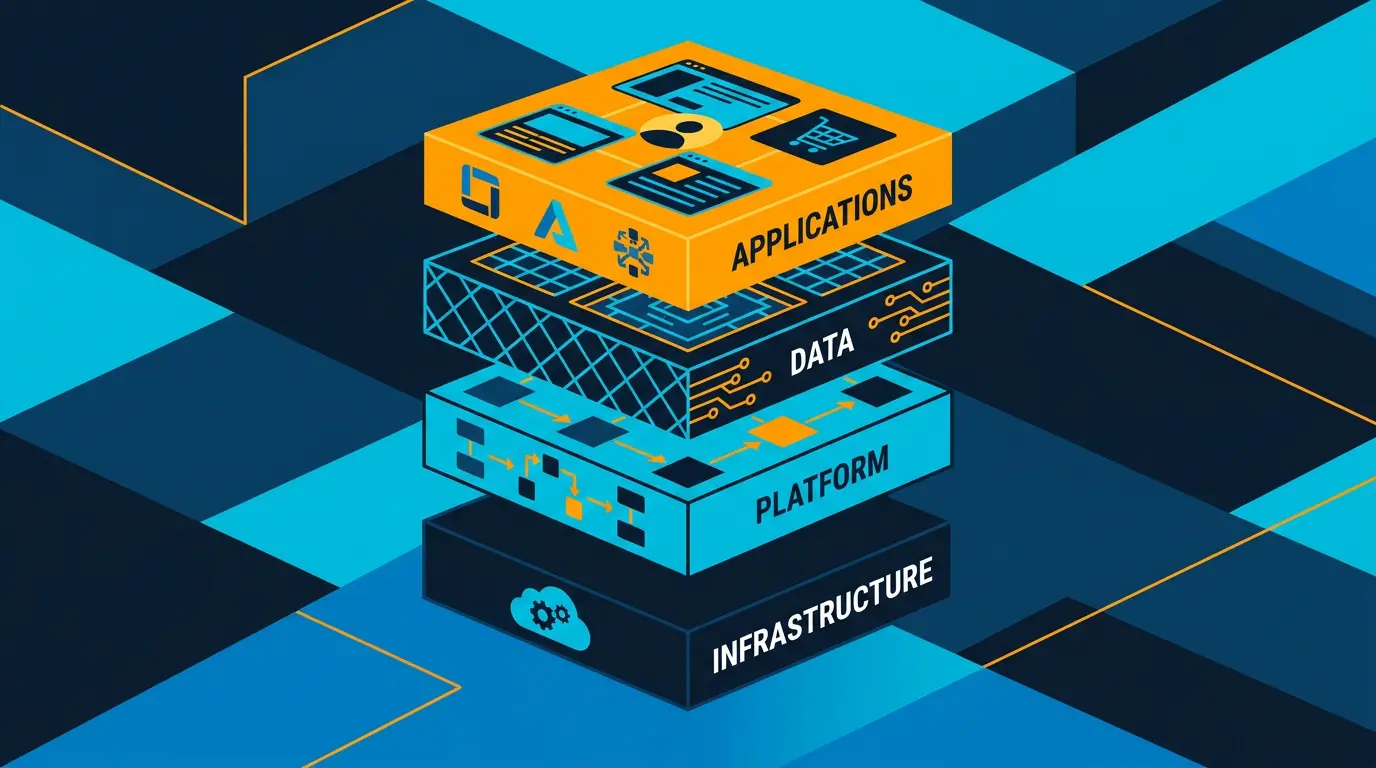
The word "stack" is deliberate. Trust and safety is not one tool. It is a collection of different systems, each addressing a different part of the problem, layered together so that the whole is stronger than any part. There is tooling to moderate content, tooling to verify identity, tooling to detect fraud and scams, tooling to analyse images, and tooling to manage reports and cases. Each layer catches things the others do not.
The stack is also more than software. The tools surface problems; trained people make judgements and take action. A trust and safety operation is the tooling stack plus the human team that operates it, and neither half works without the other.
For an operator, the reason to understand the stack is not to build it, on the operator never will, but to be able to judge whether a platform genuinely has it. A platform with a real, layered stack and a real team keeps members safe. A platform with a thin stack and policies that are mostly words does not, however good the policies sound. The rest of this guide walks through the layers so an operator knows what to look for.
Why the stack matters
It is worth being clear about why the tooling stack matters so much, because it is easy to underestimate.
A dating platform at any real scale faces a volume of safety work that is simply beyond what unaided human effort can handle. Every message, every profile, every photo, every interaction is a potential safety issue. Across an active member base that is an enormous, continuous flow. No team, however large, can manually inspect all of it. The tooling is what makes the volume tractable: it detects, filters, prioritises and surfaces, so that human attention can be focused where it is genuinely needed.
The stack also matters because the harms are varied. The guidance across this pillar describes many distinct problems: harassment, fake profiles, romance scams, image-based abuse, stalking, underage users, illegal content. These are different problems requiring different detection. A single general tool does not catch them all. A layered stack, with each layer suited to a class of harm, is what gives broad coverage.
And the stack matters because safety failures are serious. A dating platform that fails at safety does not just lose members; it harms them, damages its brand, and risks regulatory consequence. The tooling stack is the infrastructure that prevents those failures, and its quality is a direct measure of how safe the platform genuinely is.
For an operator, the practical importance is this: the tooling stack is one of the largest, most specialist and most expensive parts of a dating platform, and it is mostly invisible. It does not show up in a demo the way branding or features do. But it is a major part of what an operator is really choosing when they choose a platform, and it deserves deliberate attention.
Content moderation tooling
The first and most familiar layer of the stack is content moderation tooling: the systems that examine the content members create and surface what breaks the rules.
A dating platform generates a constant stream of content: profile text, photographs, and messages. Content moderation tooling examines this content for violations, abusive language, harassment, explicit content, scam patterns, illegal content, prohibited material, and flags what needs attention.
Modern content moderation tooling combines automated detection with human review. Automated systems handle the volume, scanning content at a scale no team could match, and catching the clear cases and the known patterns. Human reviewers handle the cases that need judgement, the ambiguous content, the context-dependent calls, the appeals. The two work together: automation provides reach, humans provide judgement.
Good content moderation tooling also works at the right moments. Some content is best checked before it is widely seen, proactive moderation, so that abusive profile content or images do not reach members at all. Some is checked in response to reports. A capable system does both.
For an operator, content moderation tooling is the layer most people picture when they think of trust and safety, and it is essential. But it is one layer. A platform with decent content moderation and nothing else is still missing the verification, fraud detection, image analysis and case management layers that the following sections describe. An operator assessing a platform should confirm content moderation is strong, and then keep looking, because the stack is more than this layer.
Identity and verification tooling
The second layer is identity and verification tooling: the systems that establish that members are real, genuine people and that they are who they present themselves to be.
A great deal of harm on dating platforms traces back to fake and fraudulent accounts: fake profiles, scammers, bad actors operating disposable accounts. Verification tooling attacks the problem at the source by raising the bar to creating and operating a fake or fraudulent account.
Verification tooling spans a range. There is tooling that checks, at signup and after, for the signals of fake and fraudulent account creation, and stops or flags them. There is photo verification tooling, which confirms that the person in a profile's photos is the real person operating the account, attacking impersonation directly. There is, where appropriate, identity verification tooling, which confirms a member's identity to a stronger standard, including age verification, which connects to the platform's legal obligations to keep minors off an adult service.
The role of this layer is preventive. Where content moderation cleans up violations, verification reduces the number of bad actors able to commit violations in the first place. A platform with strong verification has fewer fake profiles and scammers to moderate, because more of them never get established.
For an operator, verification tooling is a layer to confirm specifically, because it is the layer that most directly addresses the fake-profile and scam problems members complain about most. It also connects to legal obligations around age. An operator should ask how a platform verifies, and treat strong verification as a major mark of a serious platform.
Fraud and scam detection tooling
The third layer is fraud and scam detection tooling: systems aimed specifically at the organised, deceptive harms that target dating platforms.
Dating platforms are targeted by fraud in a few forms. There is the romance scam, where a bad actor builds a false relationship with a member to defraud them, one of the most damaging harms in the whole category. There is payment fraud, the use of stolen cards and fraudulent transactions, which connects to the payment-systems guidance. And there is the general operation of bad actors at scale, often using many accounts.
Fraud and scam detection tooling looks for the signatures of these harms. It looks for behavioural patterns that indicate a romance scam in progress, a member exhibiting the recognisable behaviour of a scammer working a victim. It looks for the patterns of coordinated bad actors operating many accounts. It looks for payment fraud signals. It connects detection across accounts and across the platform, because fraud is often not a single bad account but a pattern visible only when the platform looks at the whole.
This layer is distinct from content moderation because fraud is not primarily about a piece of bad content; it is about a pattern of behaviour. A romance scammer's individual messages may each look innocuous. The scam is visible in the pattern, and it takes tooling designed for patterns to catch it.
For an operator, fraud and scam detection is a layer worth asking about directly, because romance scams in particular cause severe harm to members and severe damage to a platform's reputation. A platform that detects fraud patterns proactively, not just one that waits for victims to report, is a markedly safer platform.
Image and media analysis tooling
The fourth layer is image and media analysis tooling, which deserves its own place because a dating platform is so heavily image-based.
Dating is built around photographs. Profiles are photo-centric and members share images. That makes images both central to the experience and a major safety surface, and image analysis tooling is what addresses it.
This layer does several jobs. It screens images for explicit and inappropriate content, so that prohibited material in profiles and the unsolicited explicit images covered in the image-abuse guidance can be caught. It supports photo verification, helping confirm that a profile's photos are of the real account holder. It uses hash-matching, the fingerprinting technique described in the image-abuse guidance, to detect known abusive images, including known child sexual abuse material and known non-consensual intimate images, and stop them. And it increasingly has to address synthetic and manipulated imagery.
Image analysis is genuinely specialist tooling. Doing it well, at scale, accurately, and with appropriate handling of extremely sensitive material, is among the harder parts of the whole stack, and the most serious categories involve legal obligations and connections to industry and law-enforcement systems that an independent operator could not easily access.
For an operator, the image analysis layer is essential precisely because dating is so image-heavy, and it is a layer where the gap between a capable platform and a weak one is large. An operator should confirm a platform has real image analysis capability, including hash-matching for known abusive images, as part of assessing the stack.
Reporting and case management tooling
The fifth layer is reporting and case management tooling, the systems through which members raise issues and through which the safety team handles them. This layer is less glamorous than detection, but a stack without it is a stack that cannot act.
The reporting side is the route members use to flag problems: the reporting controls in the product through which a member reports a profile, a message, an image or a person. Good reporting tooling makes reporting easy to find and quick to use, so a member in distress is not fighting the interface, and it captures enough information for the team to act.
The case management side is the system the safety team works in. Every report, and every issue surfaced by the detection layers, becomes a case. Case management tooling routes cases to the right people, prioritises them, urgent harms ahead of minor ones, tracks them through to resolution, records the action taken and the evidence, and supports appeals. It is what turns a flood of individual reports into an organised, accountable operation.
This layer is also what makes transparency reporting possible. The figures in a transparency report, reports received, actions taken, response times, come from the case management system. A platform without proper case management cannot even measure its own safety performance, let alone report it.
For an operator, reporting and case management is the layer that connects everything else: detection feeds it, the human team works in it, and accountability flows out of it. An operator should confirm that reporting is genuinely easy for members and that the platform has real case management behind it, because detection without organised action is detection wasted.
The human team behind the tools
Every layer described so far is tooling, but tooling alone does not keep a platform safe. Behind the stack is a human team, and an operator should understand that the team is as important as the tools.
The tools detect, filter, prioritise and surface. But many safety decisions require human judgement: the ambiguous content that automation cannot confidently call, the context-dependent case, the appeal, the serious incident, the decision to remove a member or to involve authorities. Those decisions need trained people.
The team also has to be the right kind of team. Trust and safety work is demanding and specialist. It requires people trained in the platform's policies, in the relevant law, in how to handle serious and distressing material, and in making consistent, fair decisions. It requires enough people to handle the volume, and it requires coverage, because harm does not keep office hours and urgent reports need a fast response at any time.
The team and the tools are interdependent. Good tooling makes a team effective by focusing its attention where it is needed; without the tooling the team drowns. A good team makes the tooling effective by providing the judgement the tooling cannot; without the team the tooling just produces flags nobody acts on well. A real trust and safety operation is both.
For an operator, this is important because it is easy to think of trust and safety as software. It is not. When an operator assesses a platform's safety, they should ask not only about the tools but about the team: who operates the stack, how they are trained, how the operation is staffed and covered. A platform with good tools and no real team is not safe.
What white label handles for you
On a white label platform, the entire trust and safety tooling stack, and the human team that operates it, are the provider's responsibility, and this is one of white label's largest and most underrated benefits.
The provider builds, licenses, integrates and runs the whole stack: the content moderation, the verification, the fraud detection, the image analysis, the case management. The provider also employs and trains the trust and safety team, staffs it to handle the volume, and provides the coverage. None of this falls to the operator.
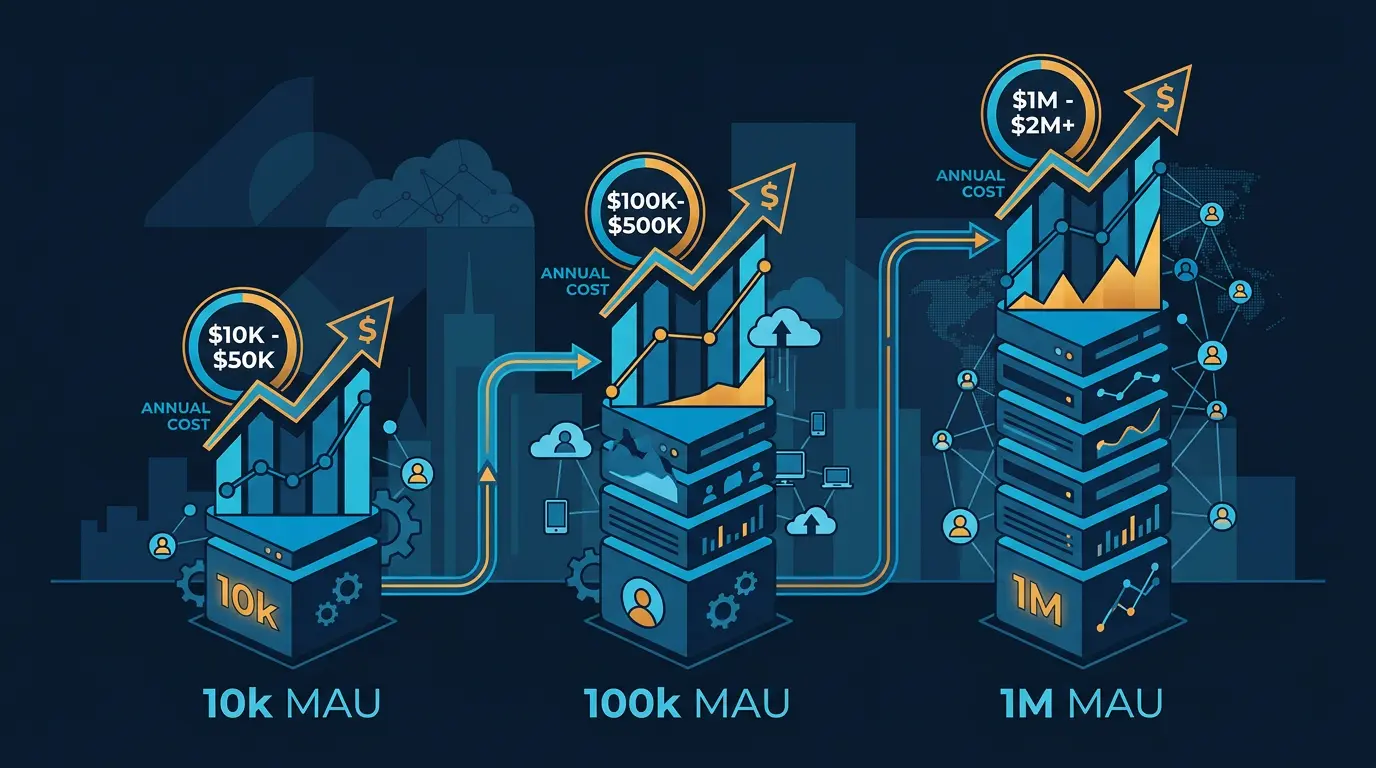
It is worth dwelling on the scale of what this saves, because it is genuinely large. The trust and safety stack is one of the most expensive and most specialist parts of a dating platform. Some of its layers, particularly image analysis for the most serious categories, require capabilities and access an independent operator could not realistically obtain alone. And the team is a permanent, substantial operational cost. An operator building a dating platform independently would face the trust and safety operation as one of the hardest and most expensive parts of the whole undertaking, and many independent platforms simply fail to do it adequately.
White label removes all of this. The operator gets a complete, layered, professionally operated trust and safety operation as part of the platform, shared, in effect, across all the operators on it, which is how it becomes affordable.
What the operator should do is verify. The fact that the provider runs the stack does not mean every provider's stack is equally good. An operator should ask about each layer, content moderation, verification, fraud detection, image analysis, case management, and about the team, and should treat a provider that answers these confidently and concretely as a serious one. The provider builds and runs the stack; the operator confirms it is a stack that genuinely keeps members safe.
Common mistakes
The defining mistake an operator can make is judging a platform's safety by its policies rather than its tooling and team, when policies are only words and the stack is what makes them real.
The second is treating content moderation as the whole of trust and safety, when it is one layer among several, and a platform missing verification, fraud detection, image analysis or case management has real gaps.
The third is thinking of trust and safety as software and overlooking the human team, when many safety decisions require trained human judgement and a platform with tools but no real team is not safe.
The fourth is underestimating how expensive and specialist the stack is, which leads to underrating white label's value in providing it. The fifth is failing to ask a provider concrete questions about each layer and the team, and so choosing a platform without knowing whether its safety operation is genuine. The stack is mostly invisible; an operator has to deliberately look.
What to read next
For the layers in depth, read content moderation for dating sites, photo verification for dating and romance scam prevention. For what the stack reports, see dating transparency reporting. And to review a platform's trust and safety operation, DatingPartners.com can walk through it.
DatingPartners ships with a curated t&s stack included. Skip vendor evaluation.
Visit DatingPartners.com →